






Anti-Polish Is the New Premium: Why Over-Rendered Content Is Costing You Trust
In a feed full of glossy, AI-perfect content, over-polish now reads as “fake” and quietly lowers trust. Raw, human, behind-the-scenes work - showing the kitchen, not just the pie - has become the premium signal. Here’s how to use anti-polish on purpose.
For twenty years, the goal of brand content was to look as expensive as possible. Higher production value signaled a serious company. The beauty shot won.
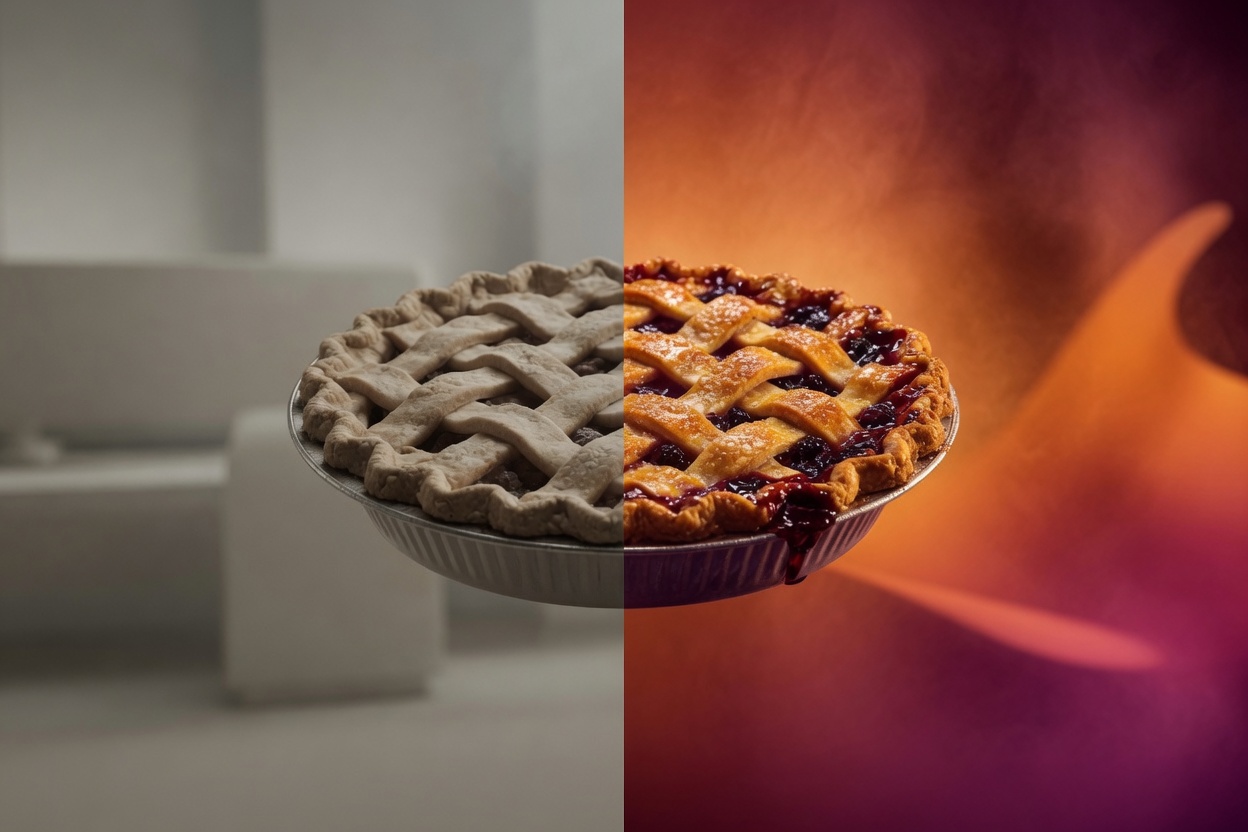
That equation just inverted, and a lot of brands haven’t noticed. Today, the over-rendered, perfectly-lit, suspiciously-flawless piece of content triggers a new reflex in your buyer: is this even real? In a feed saturated with AI-generated perfection, polish stopped signaling “premium” and started signaling “manufactured.” The scarce, trusted thing now is evidence that a real human actually made this.
We have a shorthand for it: show the kitchen, not just the pie.
Why perfect stopped working
Two forces flipped the equation at the same time.
First, AI made perfect cheap. Anyone can now generate a flawless image, a polished paragraph, a slick edit in minutes. When perfect is free and everywhere, it stops being a status signal - it becomes the wallpaper. Value always flows to whatever’s scarce, and what’s scarce now is the unmistakably human.
Second, buyers got sophisticated detectors. Your GM or COO scrolling on their phone can smell a stock photo, an AI face, or a too-clean testimonial in a fraction of a second. And every time they catch one, their trust in the brand behind it drops a notch. Over-polish doesn’t just fail to impress anymore - it actively costs you credibility.
What “anti-polish” is (and isn’t)
Anti-polish is not sloppy. It’s not an excuse for bad work. It’s a deliberate production choice to leave the human fingerprints in instead of buffing them out:
• Behind-the-scenes footage from the actual studio - the messy middle of making something, not just the finished reel.
• A founder talking to their phone camera with real ambient sound, not a teleprompter and three-point lighting.
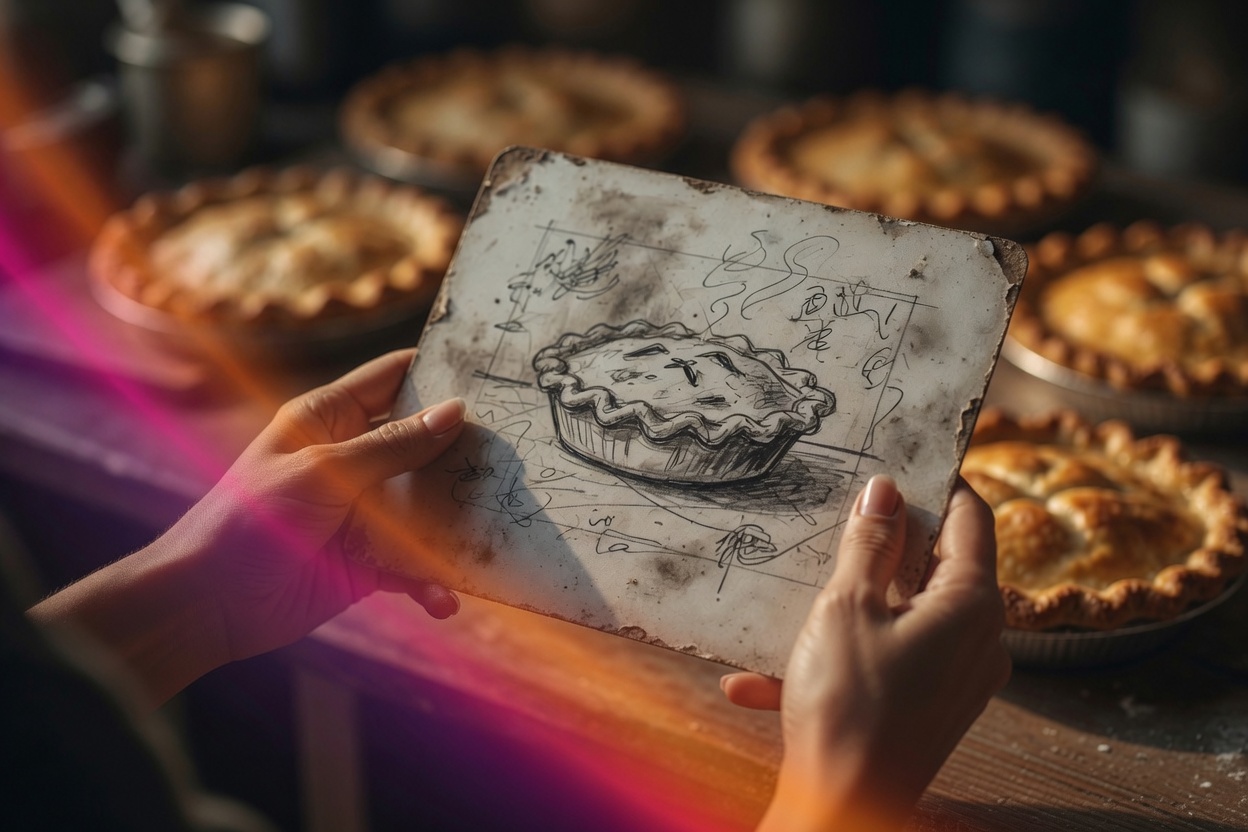
• A sketched diagram, a marker on a whiteboard, a voice note working through an idea.
• A real before/after with the ugly “before” left honestly ugly.
• Named, real people - your team, your clients (with permission) - instead of anonymous polish.
The rule we use: every piece ships with at least one thing an AI would never have volunteered. A real hand, a real room, a real unscripted moment. That single imperfect element is what makes the whole thing believable.
Why this is a gift to the overloaded
Here’s the part that matters if you’re a GM or COO wearing the marketing hat with no time and no big production budget: anti-polish is easier and cheaper than the glossy alternative - and it works better. You don’t need a shoot. You need your phone, a real moment, and the confidence to post it slightly rough.
The company that films 60 raw seconds of how the work actually gets done will out-trust the competitor who spent $20K on a commercial that looks like everyone else’s commercial. The bar isn’t production value anymore. It’s realness. And realness is one thing you already have that no vendor can sell you.
The strategic point
This isn’t a trend to ride for a quarter. It’s a structural shift in what “premium” means. As AI keeps making perfect content more abundant, the premium on human evidence will keep rising. The brands that win will be the ones confident enough to show the kitchen - the fingerprints, the process, the actual people - because that’s the one thing the machine can’t fake.
Polish used to be proof you were serious. Now it’s proof you’re hiding. Show the kitchen.
Not sure how “real” your brand reads to buyers scrolling past it? Our free Visibility Scorecard shows you how you come across - human, or wallpaper. Get your free Visibility Scorecard →